At a glance
- What it is
- A lake a few miles south of Lake City, made by the Slumgullion landslide.
- The story
- The slide above it still creeps about a centimeter a day, and faster in the afternoon.
- Getting there
- Any car can reach it on paved and gravel roads. Wupperman Campground has 31 first-come sites, and the lake is stocked with rainbow trout.
What if I told you the landslide that made Lake San Cristobal is still moving? It is. The Slumgullion Earthflow creeps down the mountain above Lake City about a centimeter a day, and its active part has been crawling for roughly 300 years.
A landslide named after a stew
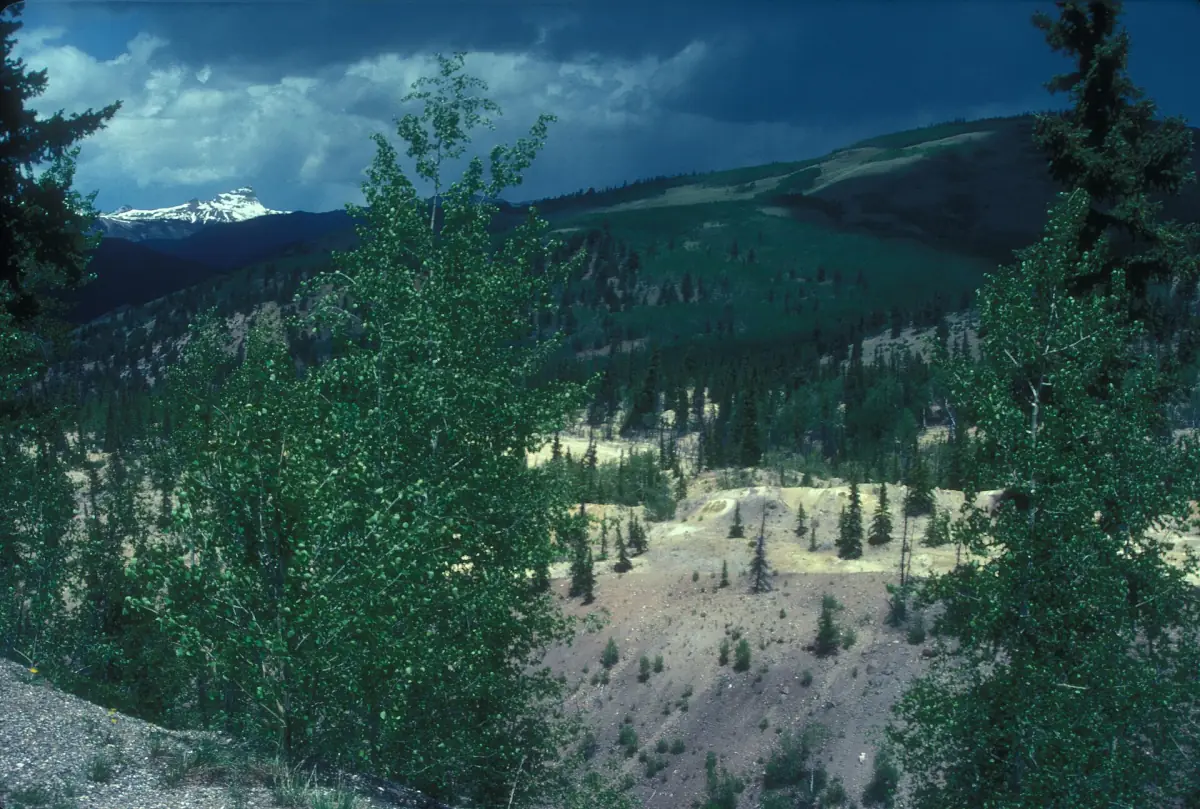
Start with the name, because it's the best part. When the Hayden Survey described the earthflow in 1874, miners were already calling it Slumgullion. Slumgullion is a meat stew with a lot of ingredients. Picture the potluck dish where everybody dumped in whatever was left in the fridge, then dyed it yellow, red and brown. That's the landslide.
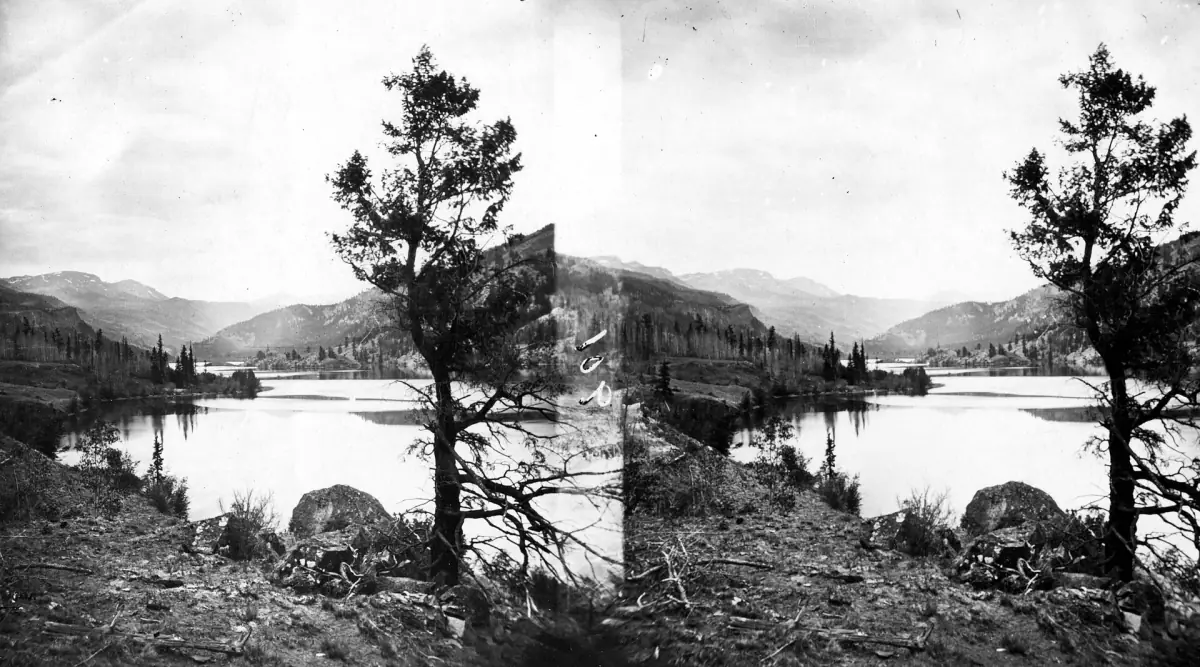
Here's how it happened. On the flank of the Lake City Caldera, the side of Mesa Seco collapsed, and clay-rich volcanic debris started flowing down Slumgullion Gulch. The flow ran about 6 kilometers (3.6 miles) from the top of the scarp to the toe. When the toe hit the valley floor, it spread across the Lake Fork of the Gunnison River and blocked it. The river backed up. Lake San Cristobal was born.
How old is Lake San Cristobal?
The usual answer is about 700 years, based on radiocarbon dating of wood at the toe of the slide. A USGS map pamphlet also cites a study that put the river's blockage at 800 to 900 years ago, and says the whole sequence may have played out over about 1,300 years. So the honest answer is "a lot of centuries, give or take a couple."
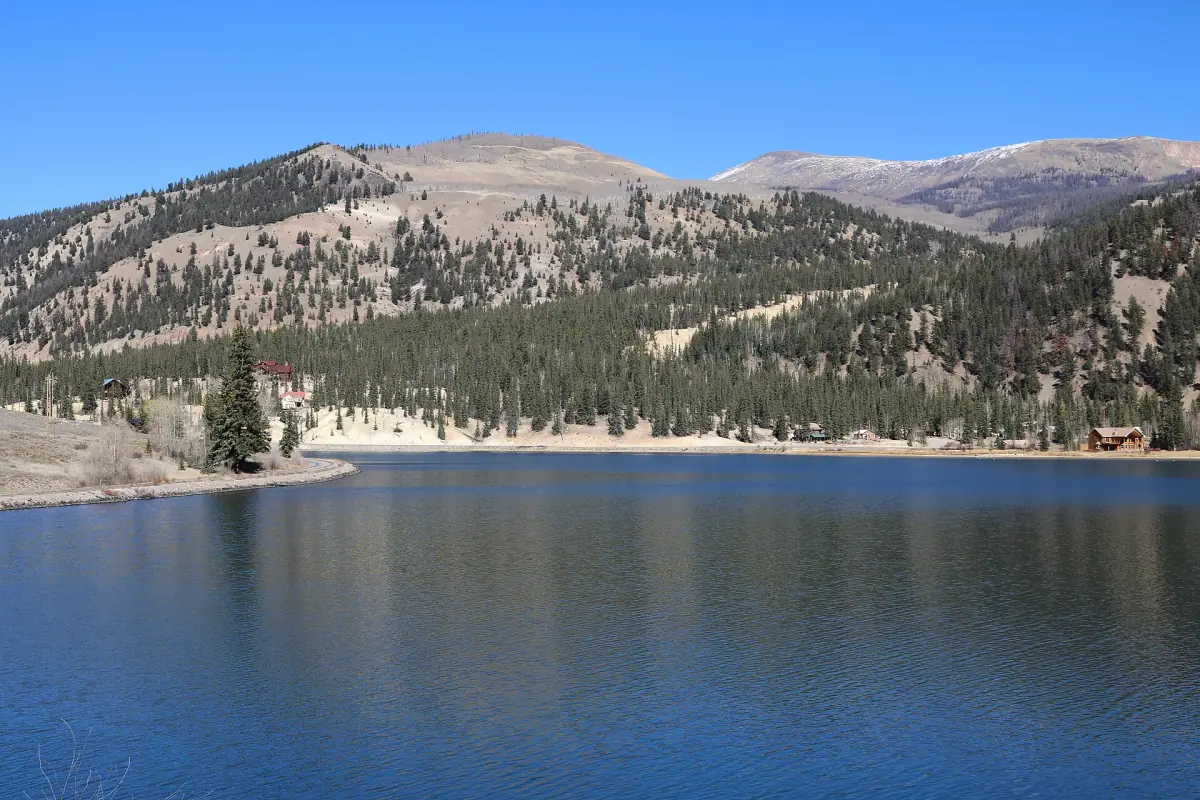
What you get is a lake 2.1 miles long and up to 89 feet deep, at 9,003 feet. Earth Magazine calls it the second-largest natural lake in Colorado. Part of the earthflow's toe is still sitting under the water.
The slide that speeds up in the afternoon
About 300 years ago, a second flow broke off the north part of the headscarp and started creeping over the old deposit. It has not stopped. It moves about 1 centimeter a day on average, has topped 2 centimeters a day in places, and averaged nearly 15 millimeters a day from 1985 to 1990.
And it keeps a schedule. It speeds up in the afternoon, when air pressure is lower, and slows down at night. Scientists tie that to atmospheric tides, the daily rise and fall of air pressure. Same afternoon timing as a mountain thunderstorm, different reason. That kind of reliability makes scientists very happy.
Slumgullion is arguably the most-studied slow-mover in the world, almost definitely in the U.S.William Schulz, USGS Landslide Hazards Program, quoted in Earth Magazine, 2018
You can spot the fastest part without any instruments. Tilted spruce trees mark it. They look like they lost an argument with a windstorm, except the ground did it.
Alferd Packer and the five men at Slumgullion Pass
The darkest story here happened just up the road. In the winter of 1873 to 1874, Alferd Packer's party of six was snowbound in the San Juans. In August 1874, Harper's Weekly illustrator John A. Randolph found five bodies at the foot of Slumgullion Pass, about two miles southeast of Lake City, above the Lake Fork.
In April 1883 Packer was tried in Lake City, convicted of the murder of Israel Swan and sentenced to hang on May 19, 1883. The verdict was later overturned. At a retrial in Gunnison, he got 40 years for five counts of manslaughter.
You may have heard a famous version of that first sentence, where the judge supposedly complains that there "was siven Dimmycrats in Hinsdale County." The judge didn't say it. According to Wikipedia, the line came from a saloon keeper named Larry Dolan by way of a newspaper, and the court records show an ordinary sentence. It's a legend. If it belongs to anybody, it belongs to the saloon keeper.
Will the mud dam hold?
In the 1950s the USGS looked at the lake as a site for a bigger artificial dam, then said no. The worry was that the active earthflow could reach the dam, or that deeper water could wake up the old slide. Hinsdale County built a small rock-and-wood dam at the outlet in 1954 instead. The USGS concluded the natural dam is stable, partly because the spillway is cut into bedrock.
The slide just keeps whipping on through, but the pond stays put.William Schulz, USGS, quoted in Earth Magazine, 2018
The lake does have an expiration date. At past rates, sediment will fill it completely in about 2,500 years. For a potluck leftover, that's a pretty good shelf life.
Visiting Lake San Cristobal today
Lake San Cristobal is a few miles south of Lake City. The BLM lists it as a stop on the Alpine Loop, and you reach it on paved and gravel roads before the four-wheel-drive sections start, so any car can make it. Hinsdale County's Wupperman Campground on the east side has 31 first-come, first-served sites, and the lake is stocked with rainbow trout.
To see the earthflow, take Colorado 149, the highway between Lake City and Creede. It crosses right over the slide. Lake City put the slide to work, too. After an 1879 fire, the town made bricks from clay dug at the earthflow, and many of those brick buildings still stand. Walk down the street in Lake City and you're looking at the landslide, just baked.